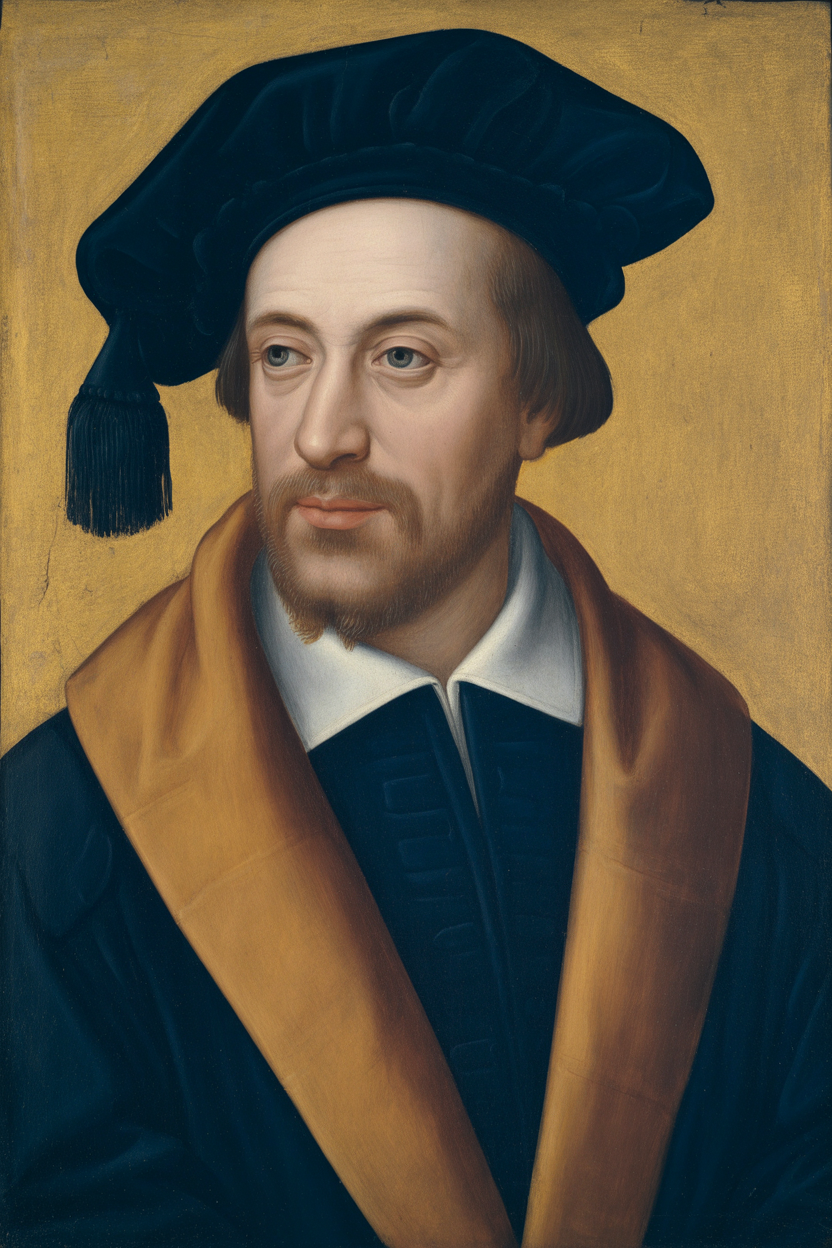
Andreas Bodenstein von Karlstadt
Andreas Karlstadt was a German theologian and early leader of the Reformation at the University of Wittenberg. He was the first to publish a formal Protestant treatise on the biblical canon, introducing a systematic classification of Scripture.
Historical Context
Karlstadt published "De Canonicis Scripturis Libellus" (A Little Book on Canonical Scriptures) in 1520—before Luther even began his German Bible translation. This work established the framework for Protestant discussions of the canon for centuries. The early Reformation was a dangerous time; those who challenged Church authority faced imprisonment, exile, or death.
Faith Under Attack
Persecution Faced
Karlstadt was banished from Saxony in 1524 after his radical reforms alarmed even Luther. He was forced to flee multiple times, living as a fugitive and peasant farmer. His writings were banned, and he faced arrest warrants from both Catholic and some Protestant territories.
⚔️ Suffering & Sacrifice
Karlstadt spent years in poverty and exile, moving from city to city to escape persecution. He lost his university position and was stripped of his academic titles. Though he eventually found refuge in Basel, Switzerland, where he died of plague in 1541, his life was marked by constant displacement and suffering for his beliefs. Many of his associates were executed during the Peasants' War.
Key Teachings
- 1Tripartite ranking of biblical books
- 2Apocrypha lacks the "fresh spirit" of divine revelation
- 3Human additions cannot equal God's Word
- 4The Hebrew canon is the true Old Testament
Bible Texts Used in Protest
Matthew 23:35
“That upon you may come all the righteous blood shed upon the earth, from the blood of righteous Abel unto the blood of Zacharias son of Barachias, whom ye slew between the temple and the altar.”
Explanation: Karlstadt observed that Jesus referenced martyrs from "Abel to Zechariah"—from Genesis (first book) to Chronicles (last book in Hebrew Bible). This covers the entire Hebrew canon and excludes the Intertestamental writings.
Deuteronomy 4:2
“Ye shall not add unto the word which I command you, neither shall ye diminish ought from it, that ye may keep the commandments of the LORD your God which I command you.”
Explanation: Karlstadt argued that adding uninspired books to the canon violates this divine prohibition against adding to God's Word.
Revelation 22:18
“For I testify unto every man that heareth the words of the prophecy of this book, If any man shall add unto these things, God shall add unto him the plagues that are written in this book.”
Explanation: While specifically about Revelation, Karlstadt applied this principle to the entire canon—adding human writings to Scripture brings divine judgment.
Apocryphal Teachings Contested
1 Maccabees 9:27
“So was there a great affliction in Israel, the like whereof was not since the time that a prophet was not seen among them.”
Issue: The Apocrypha itself admits there were no prophets during this period—how then can these be prophetic Scripture?
Legacy
Karlstadt's tripartite classification system influenced Protestant discussions of the canon for centuries. His observation that the Apocrypha itself admits the absence of prophets became a key argument against its canonicity.
Study this topic in depth →
Continue Your Study with Logos
Access the Logos Factbook for comprehensive research on the Apocrypha, including manuscripts, historical context, and scholarly analysis.