The Apocrypha in Bible History
Explore historic Bible editions, Ethiopian manuscripts, and discover how the biblical canon was formed—from ancient councils to modern discoveries.
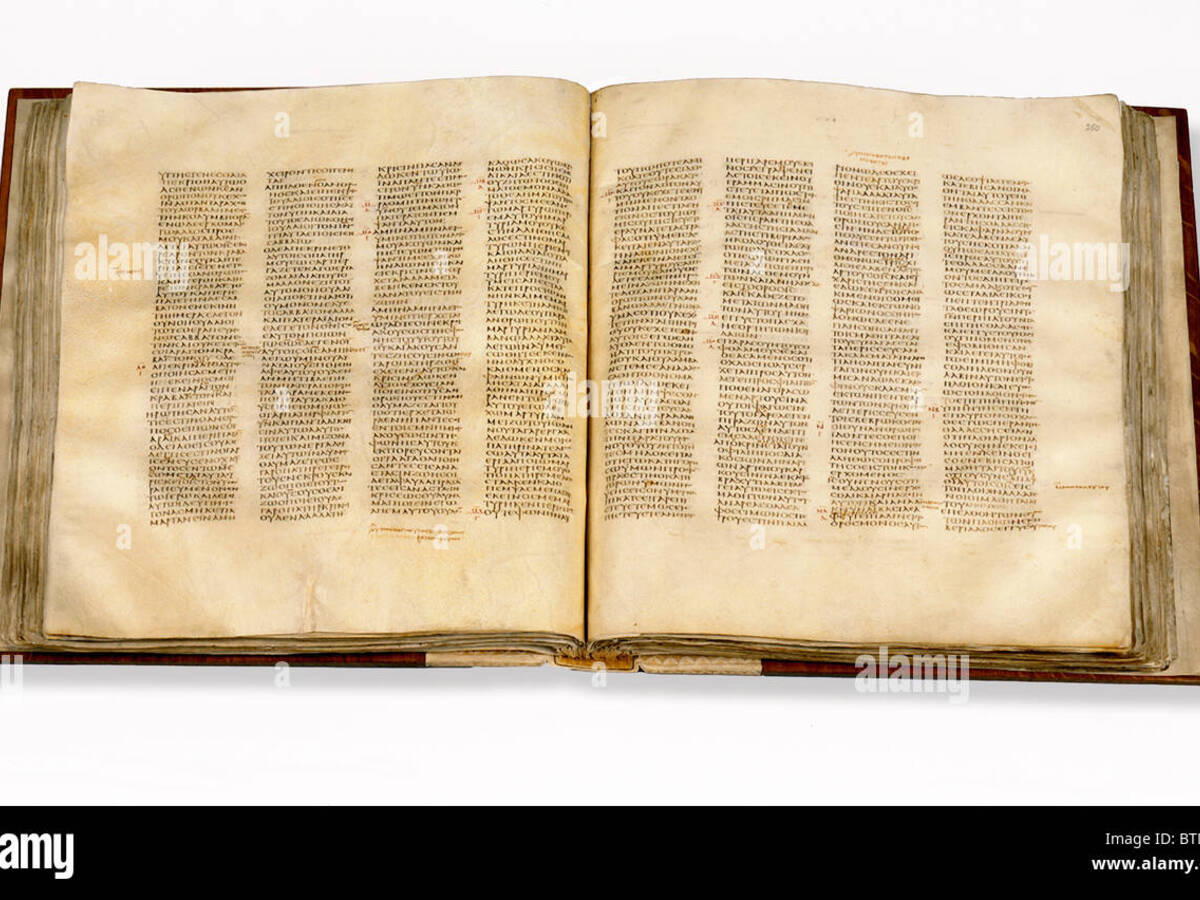
Codex Sinaiticus
4th Century AD
Egypt
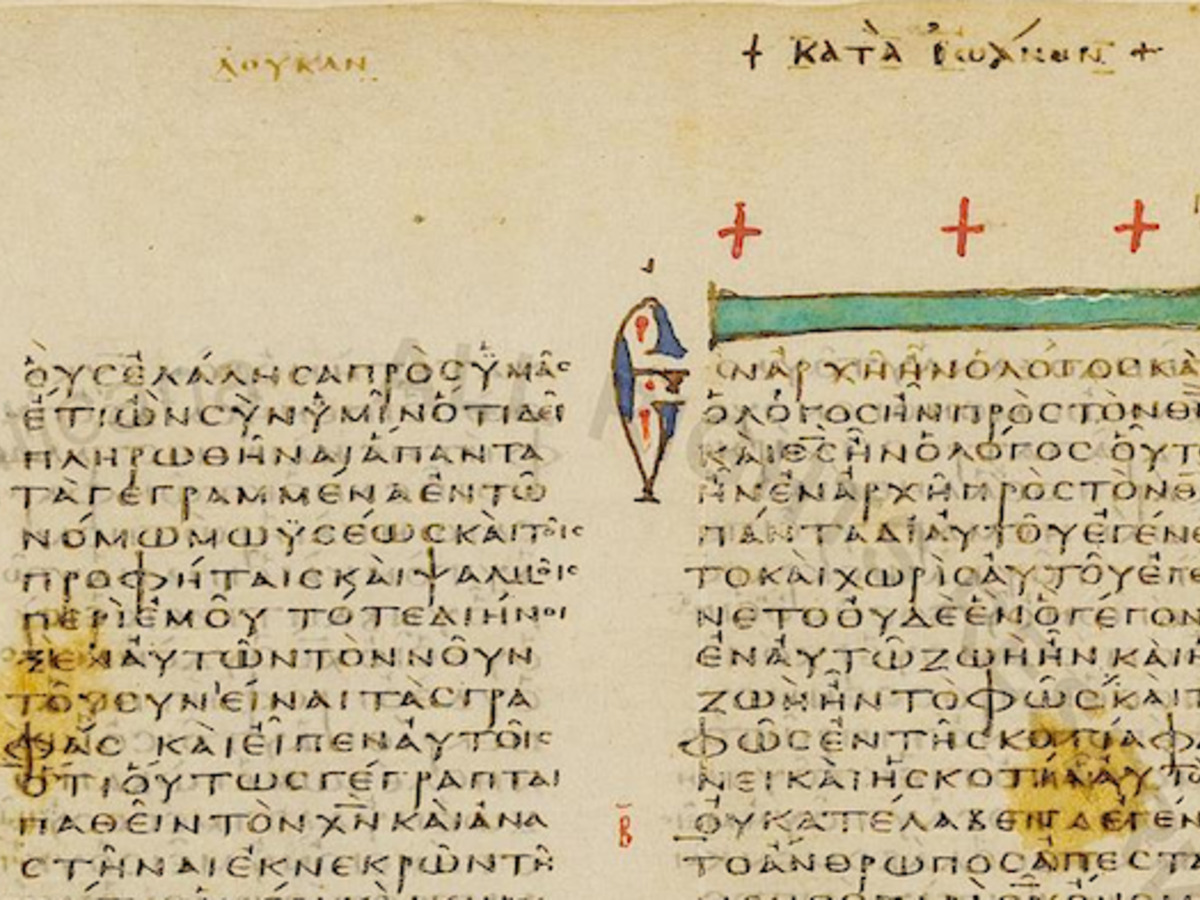
Codex Vaticanus
4th Century AD
Egypt
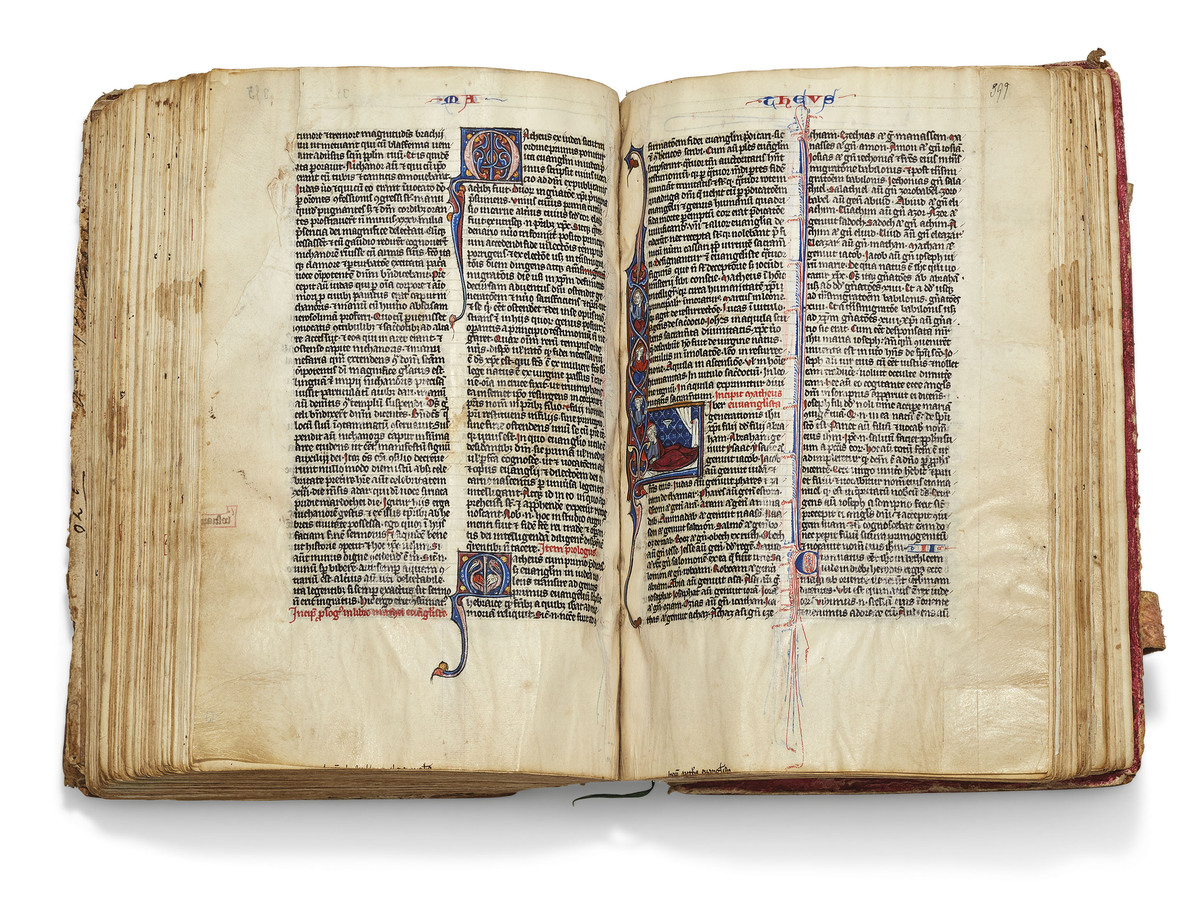
Latin Vulgate
405 AD
Bethlehem
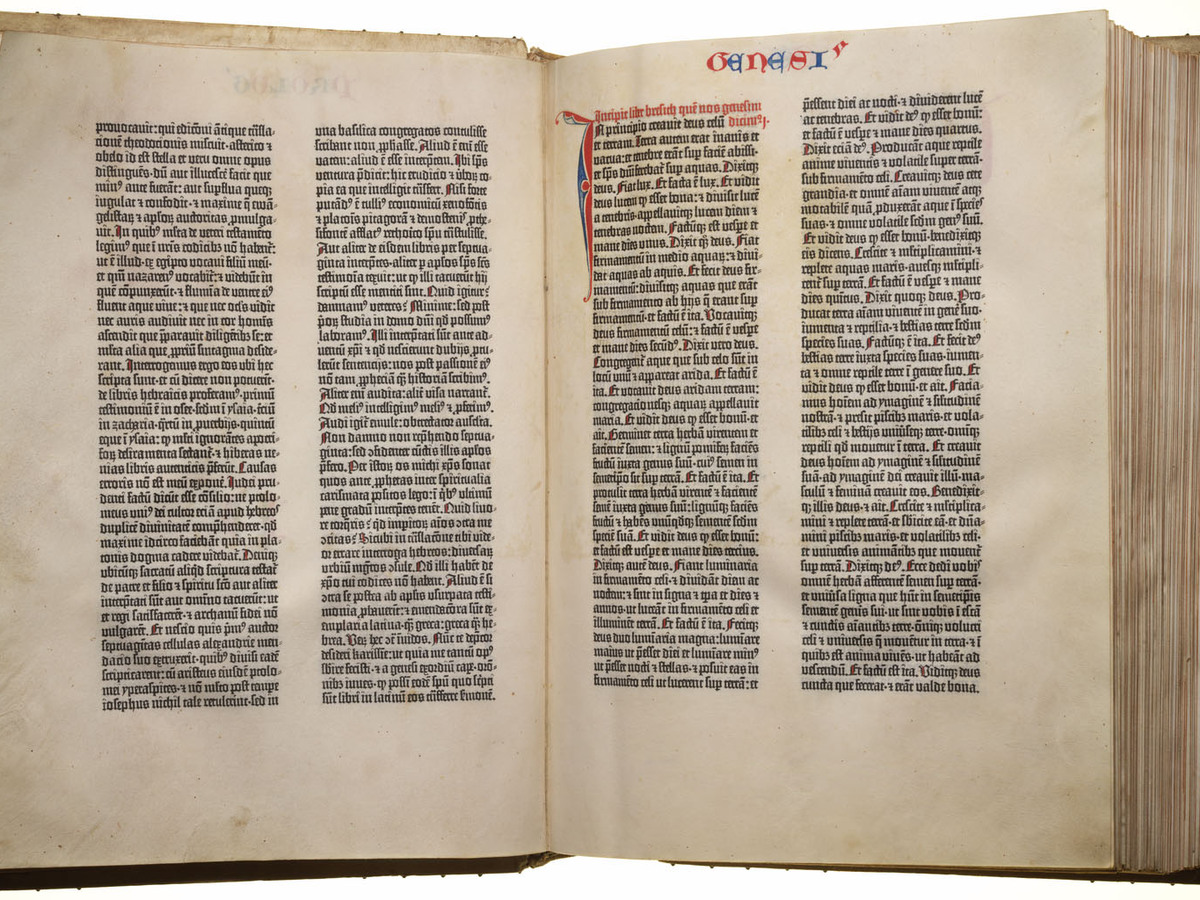
Gutenberg Bible
1455
Mainz, Germany
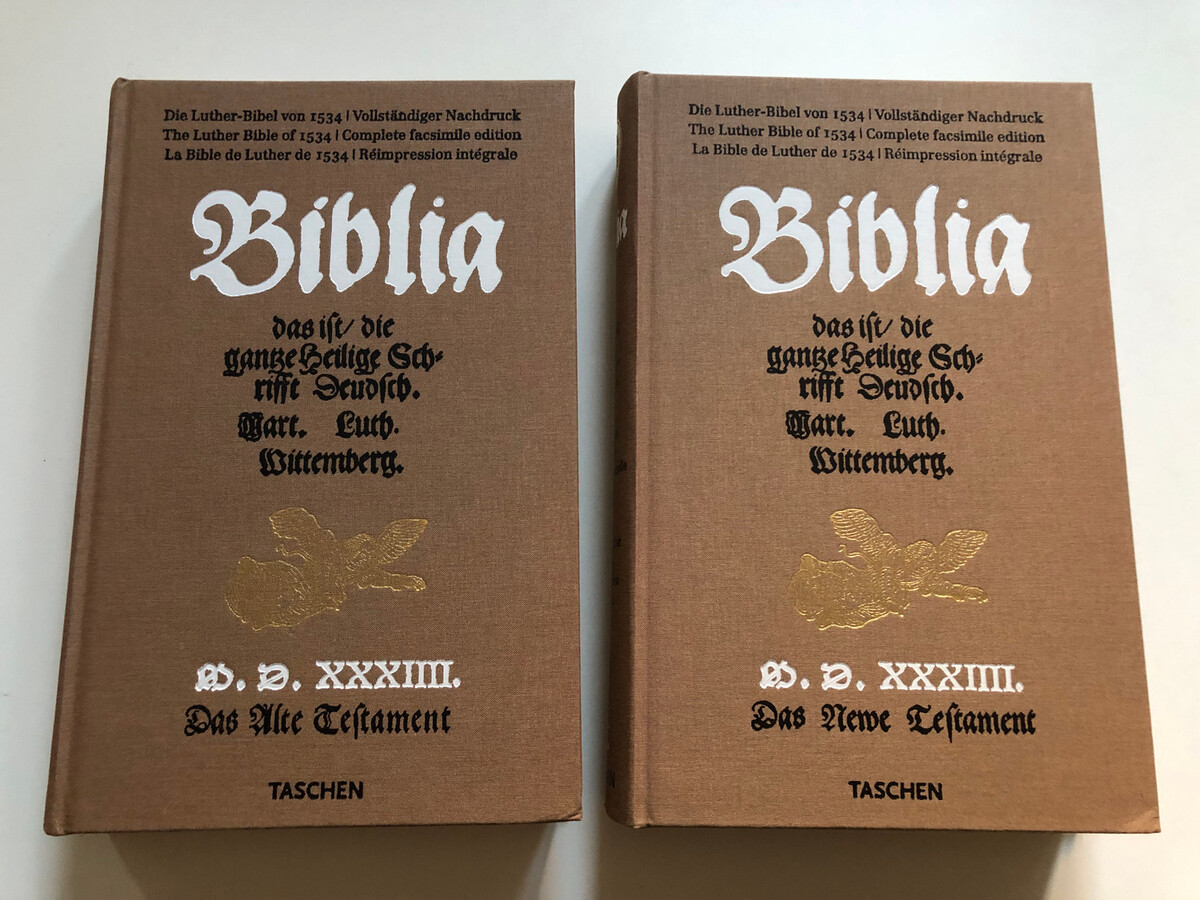
Luther Bible
1534
Wittenberg, Germany
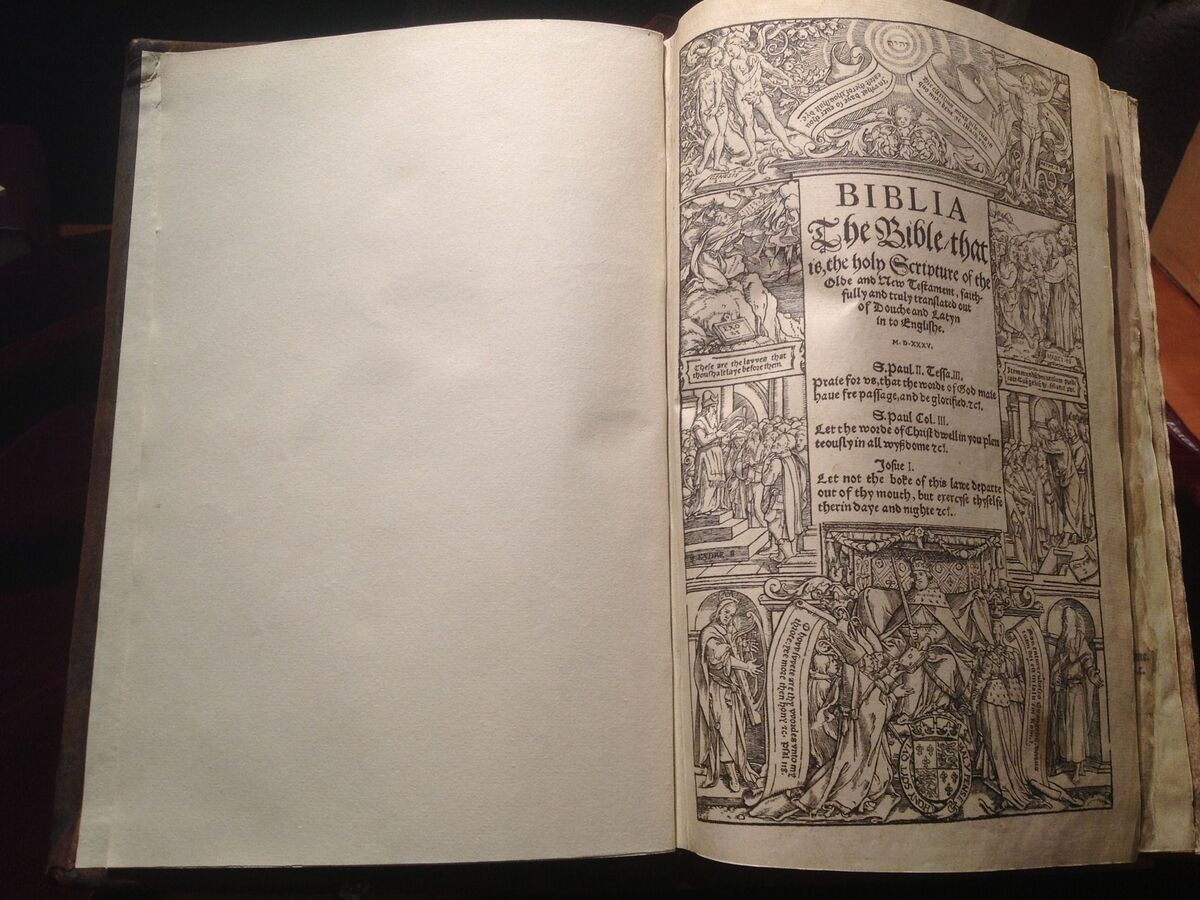
Coverdale Bible
1535
Antwerp, Belgium
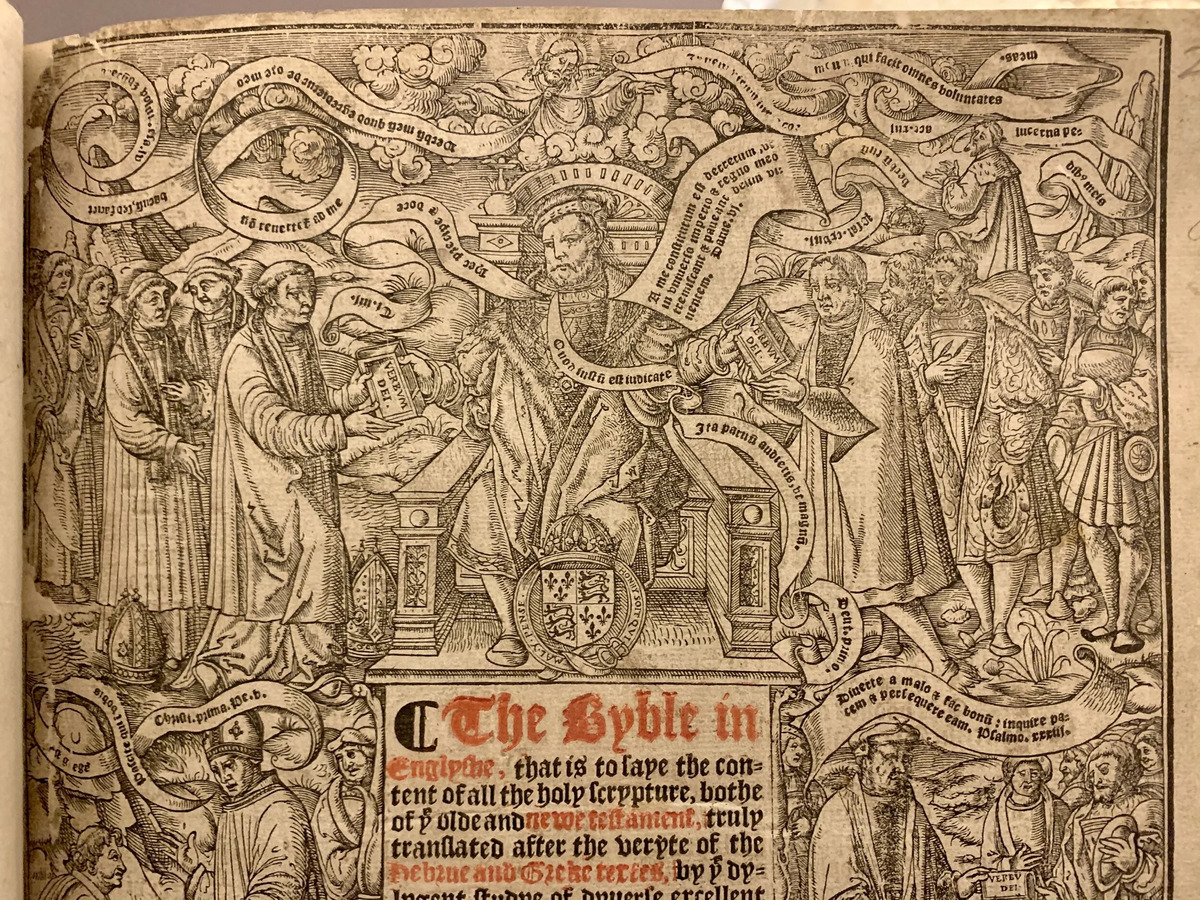
Great Bible
1539
London, England
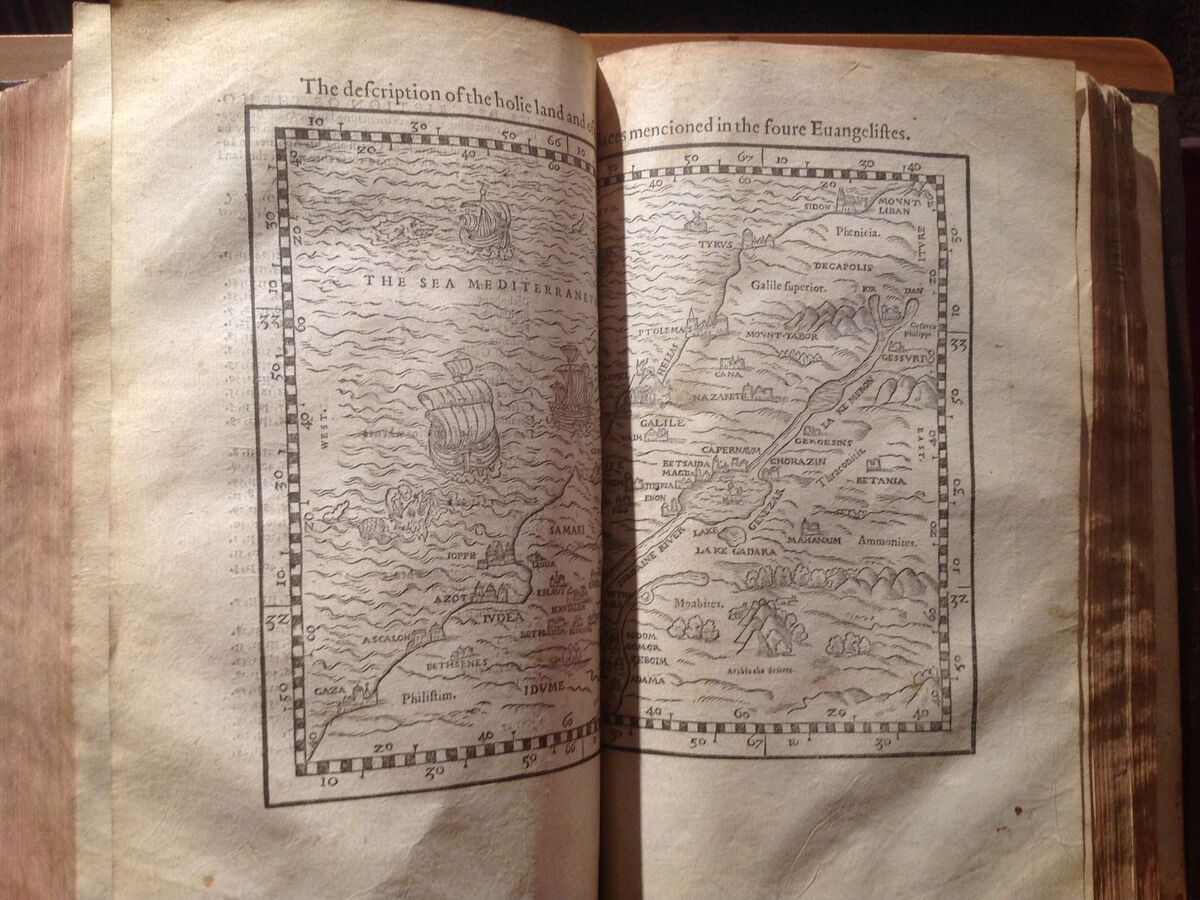
Geneva Bible
1560
Geneva, Switzerland
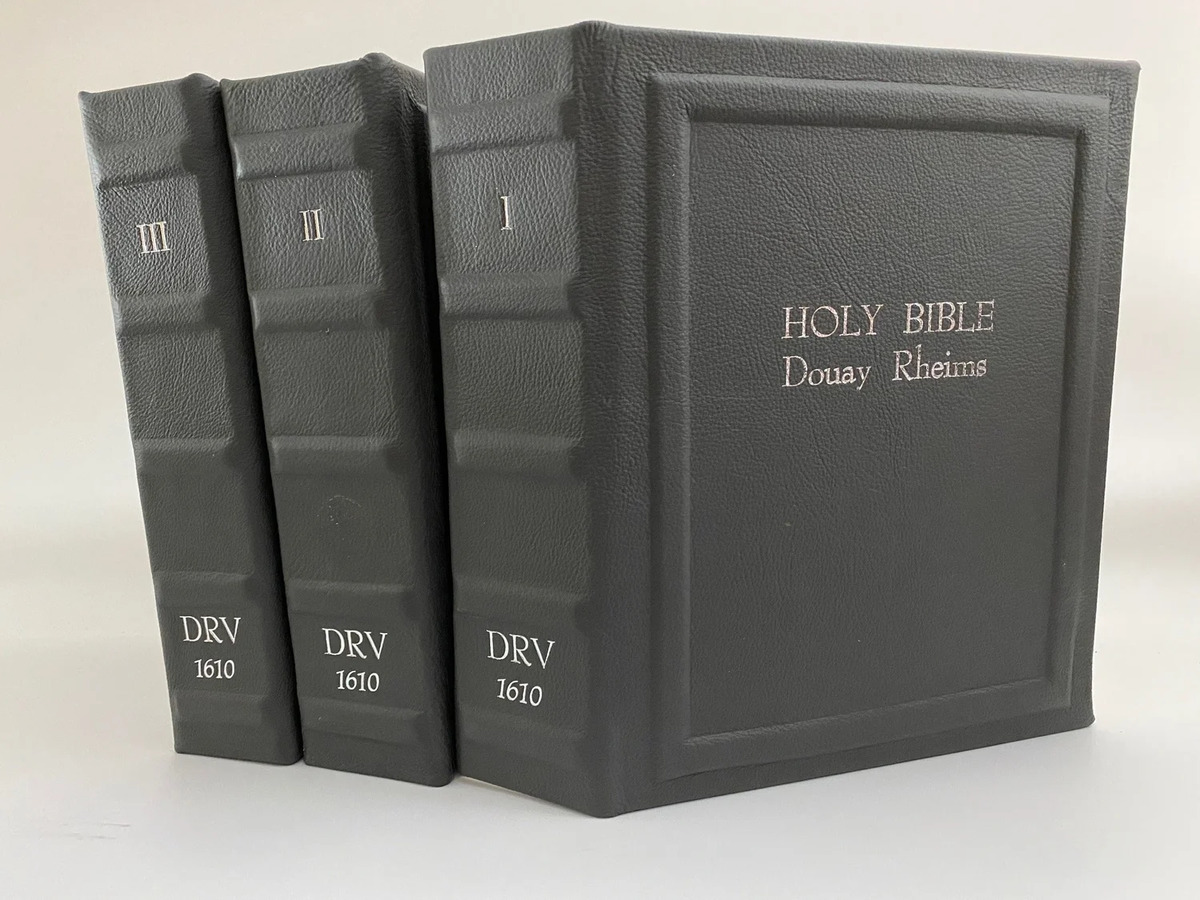
Douay-Rheims Bible
1610
Douai & Rheims, France
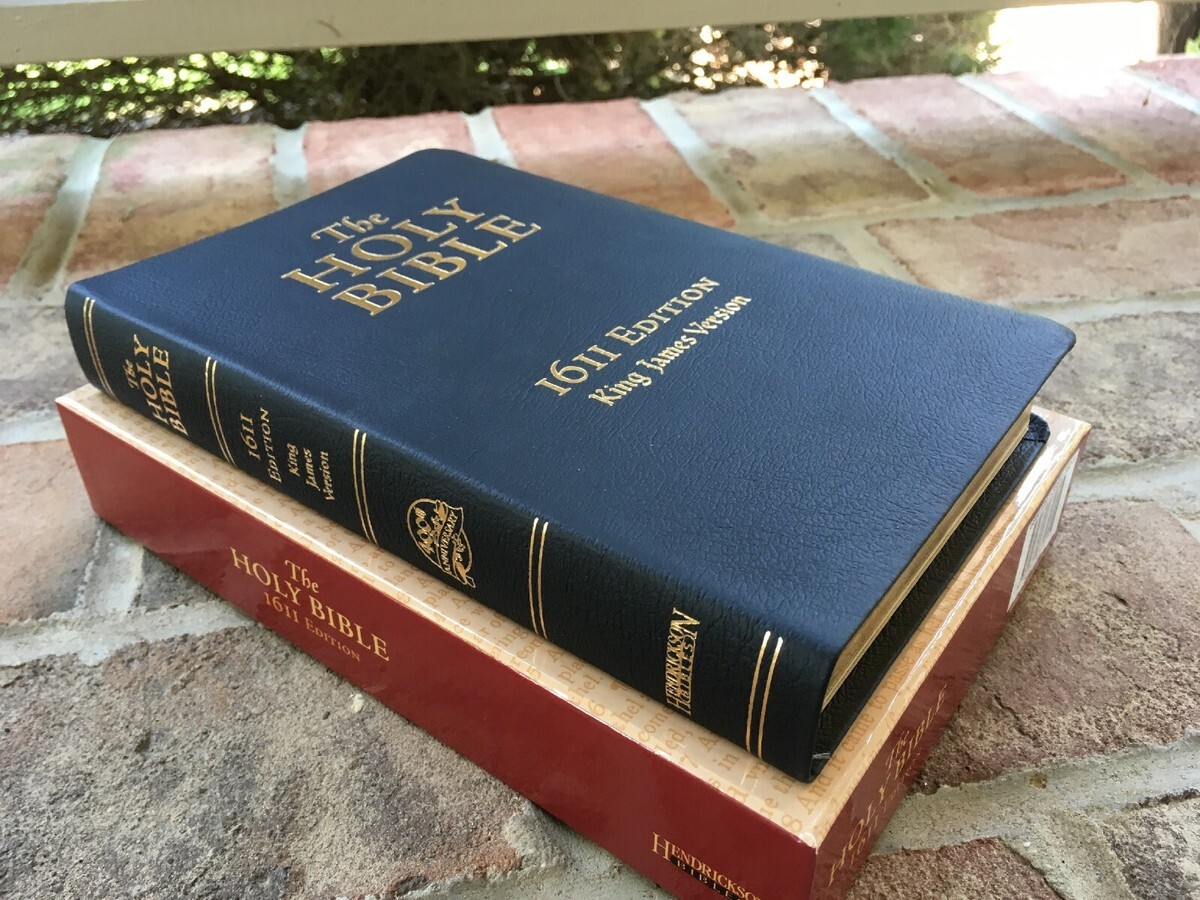
King James Bible
1611
London, England
Why Was the Apocrypha Removed?
For over 1,400 years, most Christian Bibles included the Apocrypha. The shift began in the 19th century when publishers started omitting these books to reduce printing costs.
The British and Foreign Bible Society decided in 1826 to stop printing Apocrypha in their Bibles, influencing Protestant publishing worldwide.
Today, Catholic Bibles still include these books as canonical, Orthodox Bibles include even more(especially the Ethiopian with 81 books), and most Protestant Bibles exclude them entirely—a practice that would have surprised Martin Luther, King James, and the Reformers.
Continue Your Study
Explore our 9-lesson study to understand why the Protestant Reformers and Adventist pioneers questioned the Apocrypha\'s canonicity.