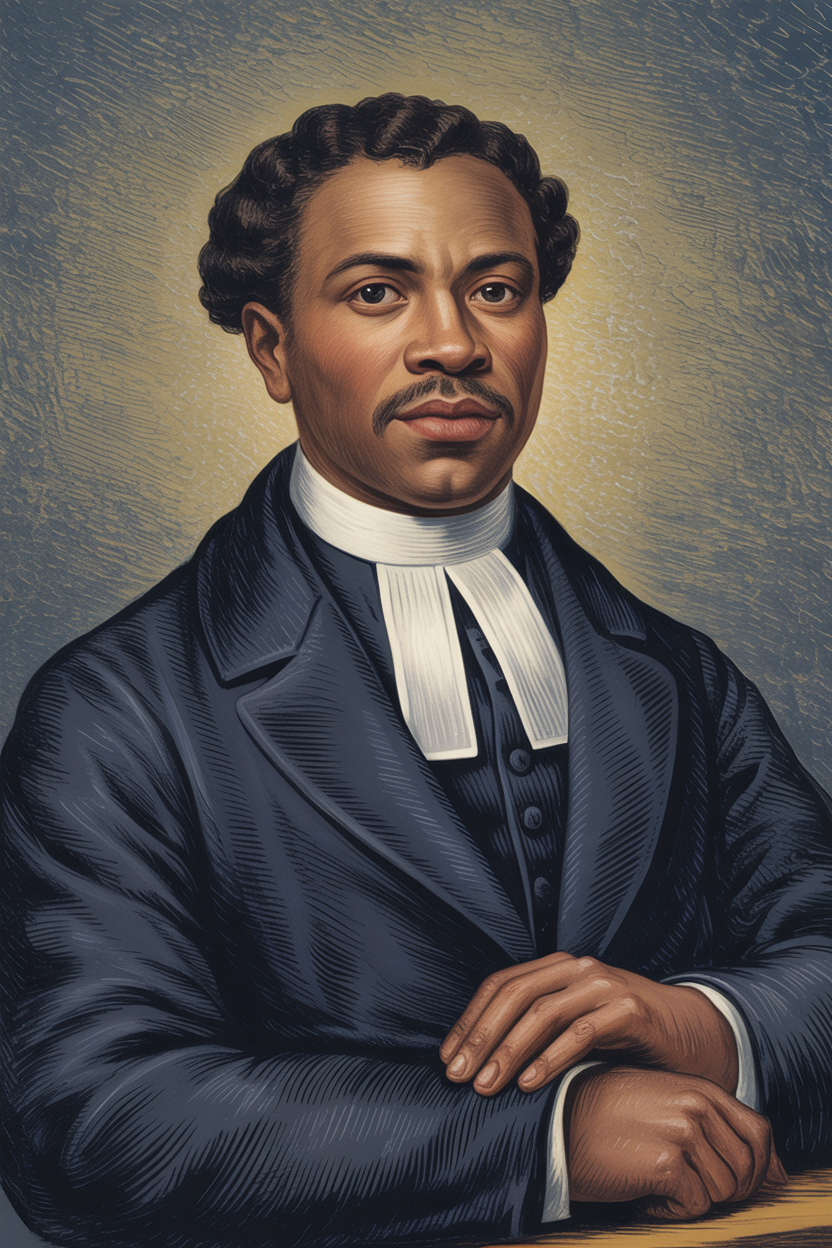
William E. Foy
William Ellis Foy was an African American preacher whose prophetic visions preceded Ellen White's by several months. Born to free Black parents in Maine, he was studying for ordination in the Episcopal Church when he received his first vision in 1842. His published account (1845) contains imagery with striking parallels to the apocryphal book of 2 Esdras.
Historical Context
Foy received his visions during the height of Millerite excitement about Christ's return. As a Black man in antebellum America, he faced significant obstacles in sharing his visions. When he hesitated, the Adventist community believes the prophetic gift passed to Ellen White.
Faith Under Attack🛡️ RISKED LIFE
Persecution Faced
As a Black preacher in pre-Civil War America, Foy faced severe racial discrimination and hostility. Many white congregations refused to hear him speak. He received death threats for preaching to mixed-race audiences. Slavery was still legal in much of America, and free Blacks like Foy risked kidnapping and enslavement.
⚔️ Suffering & Sacrifice
Foy faced the daily terror of being a free Black man in antebellum America. The Fugitive Slave Act meant he could be seized and sold into slavery on false claims. He was denied ordination in the Episcopal Church due to his race. The burden of sharing visions as a Black man to often hostile white audiences caused him to hesitate, leading to years of spiritual anguish. He died in relative obscurity, his contributions largely forgotten until the 20th century.
Key Teachings
- 1Visions of heavenly rewards for the faithful
- 2Warnings of judgment on the wicked
- 3The soon return of Christ
- 4The importance of perseverance
Bible Texts Used in Protest
Joel 2:28
“And it shall come to pass afterward, that I will pour out my spirit upon all flesh; and your sons and your daughters shall prophesy, your old men shall dream dreams, your young men shall see visions.”
Explanation: Foy believed his visions fulfilled this prophecy of end-time prophetic gifts poured out on "all flesh"—including African Americans who were often marginalized.
Revelation 21:10-21
“And he carried me away in the spirit to a great and high mountain, and shewed me that great city, the holy Jerusalem, descending out of heaven from God.”
Explanation: Foy's visions of the heavenly city mirror John's Revelation, though some imagery also parallels 2 Esdras 10:25-27.
Acts 10:34-35
“Then Peter opened his mouth, and said, Of a truth I perceive that God is no respecter of persons: But in every nation he that feareth him, and worketh righteousness, is accepted with him.”
Explanation: As a Black preacher receiving divine visions, Foy's experience affirmed that God gives spiritual gifts regardless of race.
Apocryphal Teachings Contested
2 Esdras 2:42-48
“I, Esdras, saw upon the mount Sion a great people, whom I could not number, and they all praised the Lord with songs.”
Issue: Foy's visions contain similar imagery of numberless multitudes on Mount Zion praising God—a parallel that fascinated early Adventists.
Legacy
Foy's visions represent an important but often overlooked chapter in American religious history. As a Black visionary in the 1840s, he demonstrated that prophetic gifts transcend racial barriers. His work shows early Adventist familiarity with apocryphal imagery.
Study this topic in depth →
Continue Your Study with Logos
Access the Logos Factbook for comprehensive research on the Apocrypha, including manuscripts, historical context, and scholarly analysis.